What We Do

Services

Here's the full list of what we pour and fix, driveways to repair work.

Home › Services

Everything we take on

Every job below is one we do ourselves across Lynn.

Concrete Driveways

We form and pour driveways thick enough for daily car traffic, usually 4 to 6 inches depending on whether it's just a car or something heavier like a truck or RV. We cut control joints the same day to control where the slab cracks instead of leaving it to chance. Most driveways can handle foot traffic in a day or two and full vehicle weight after about a week.

Concrete Patios

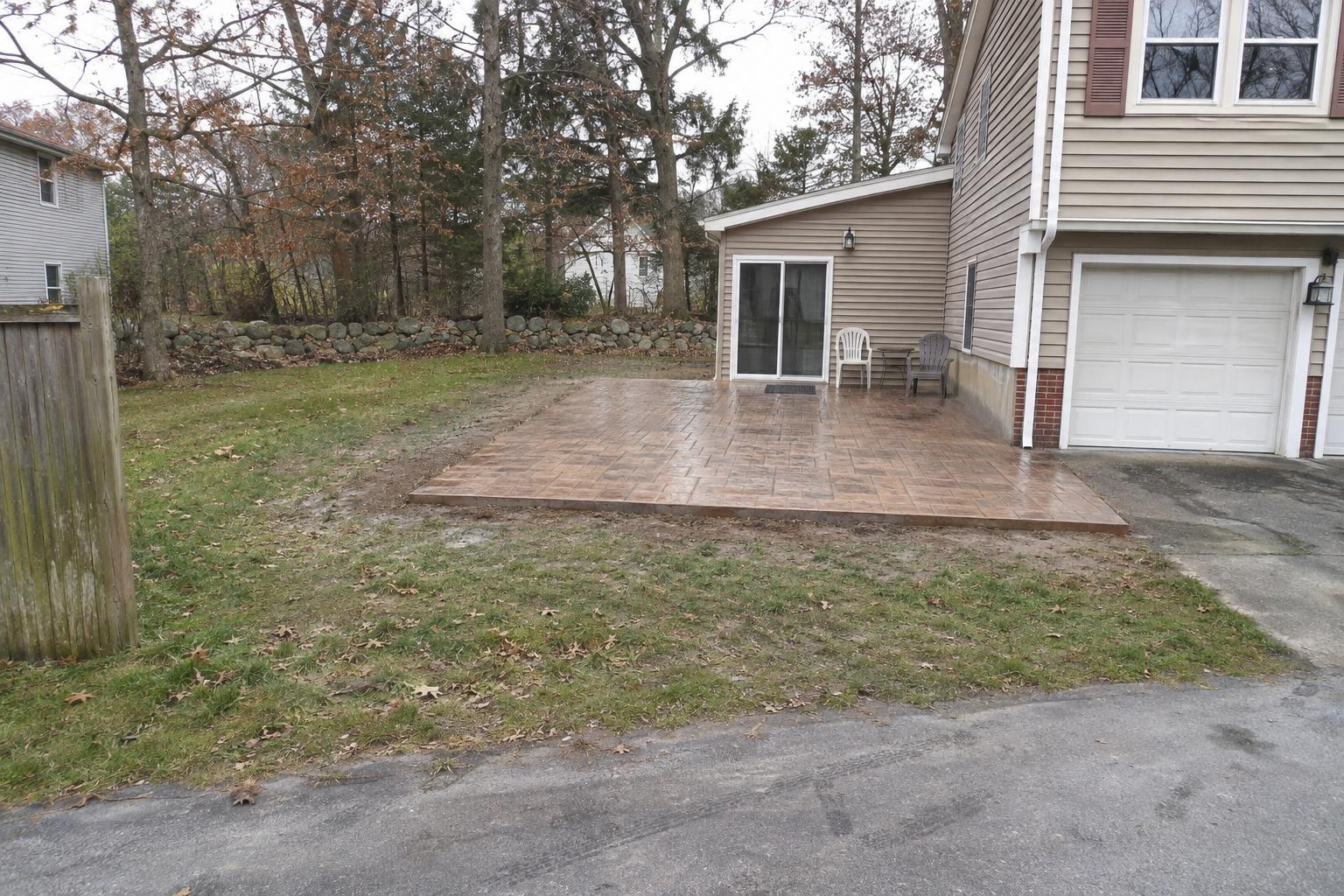
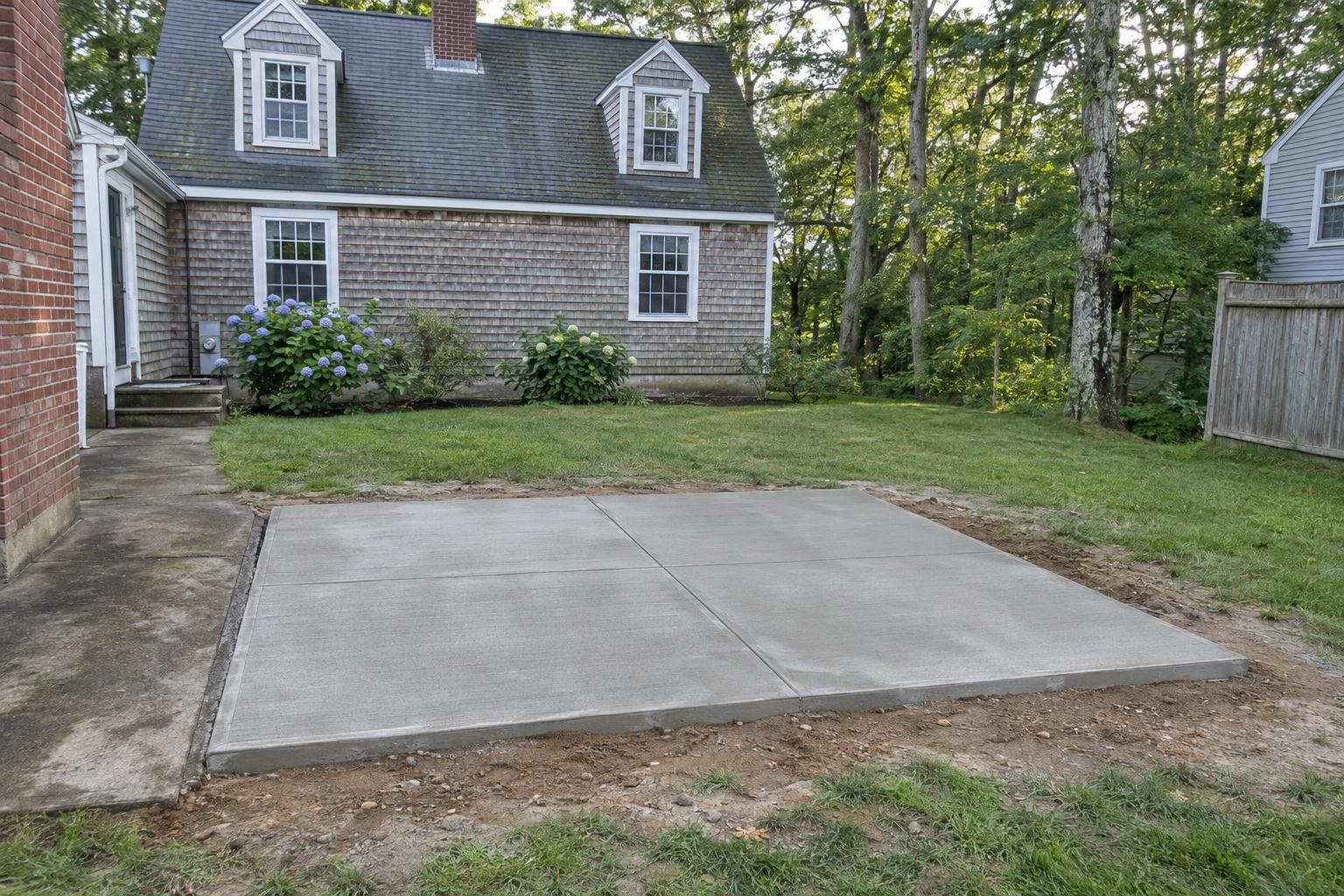
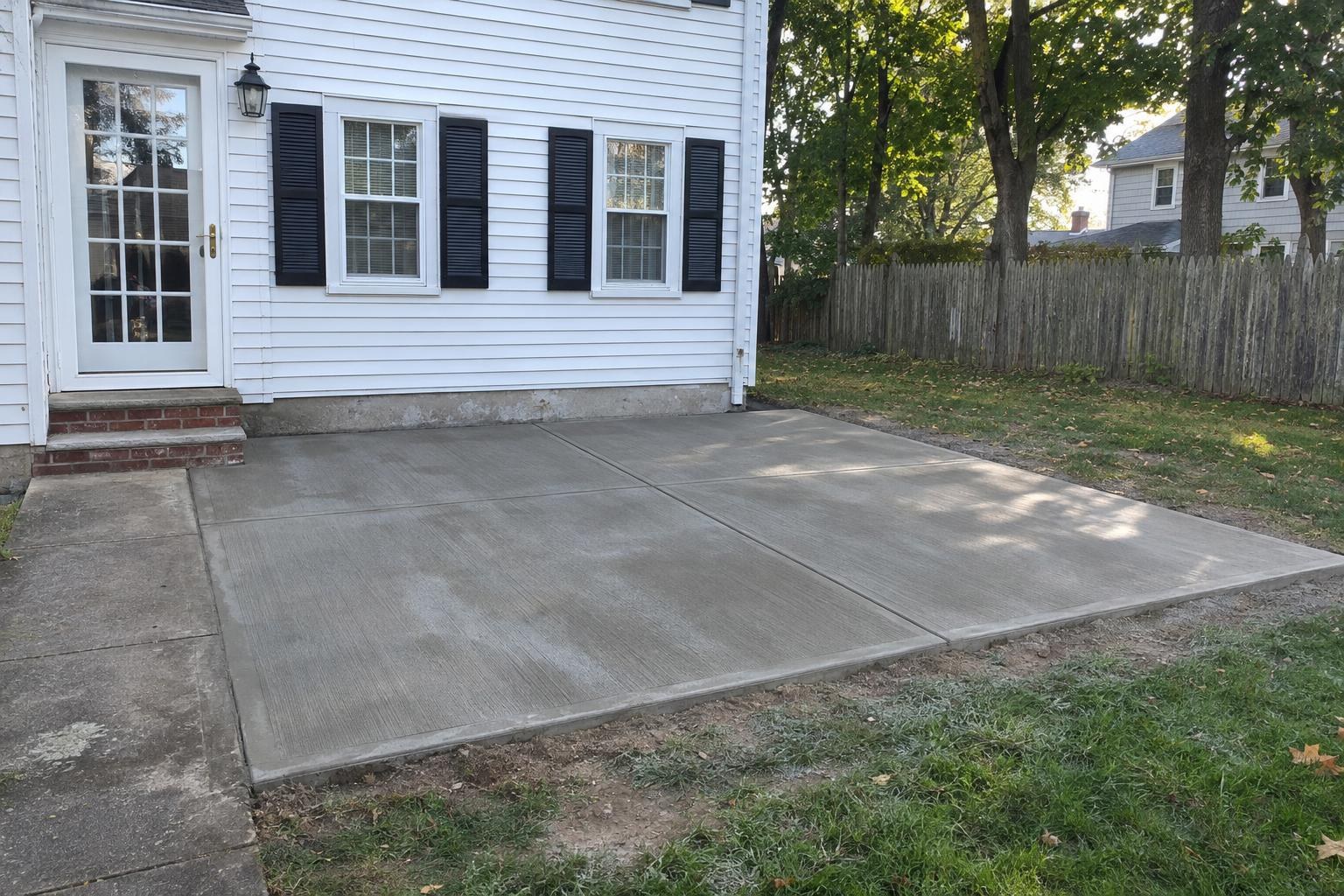
Patio slabs get poured at 4 inches with a broom or stamped finish depending on what you want underfoot. We slope them away from the house so water doesn't pool against your foundation. We also set them a step below the door threshold so you don't track water inside.

Stamped Concrete

Stamped concrete gets you the look of stone, slate or brick at a fraction of the cost of laying real pavers. We color and texture the slab while it's still plastic, then seal it once it's cured. The seal coat needs reapplying every few years or the color fades and the surface loses its texture.

Concrete Repair

Cracked, sunken or spalled concrete doesn't always need a full replacement. We can mudjack or foam-lift a sunken slab back to level, or saw out and repatch a cracked section. If the slab has heaved from tree roots or frost, we'll tell you when patching is just delaying the real fix.

Concrete Steps & Walkways

Steps get built to code for rise and run so they're actually safe to use, not just poured to fit the space. Walkways get a broom finish for grip and a slight crown so water runs off to the sides. We tie new steps into an existing stoop with rebar dowels so they don't separate over the first winter.

Concrete Slabs

A shed pad, generator slab or garage floor all start the same way, with grading and compacting the base before any concrete goes down. A slab poured on loose fill will crack and settle no matter how good the concrete itself is. We check the base and fix it before we pour, not after.

Concrete Sidewalks

Sidewalk work often means dealing with the town, permits, inspections, and matching the grade of the public walk next to yours. We handle that paperwork and pour to the specs your city requires. Panels get jointed every 5 feet or so to control cracking under foot traffic.

Concrete Foundation Repair

Foundation cracks, bowing walls and settling corners usually trace back to water pressure in the soil around the house. We patch and seal cracks, and for bigger settlement issues we bring in piers or underpinning to stabilize the footing. Left alone, a hairline crack this year turns into a gap you can see daylight through in a few more.

Concrete Resurfacing

Resurfacing puts a new thin layer of concrete or overlay over an existing slab that's worn, stained or showing surface cracks. It's a lot cheaper than demo and repour, but it only works if the slab underneath is structurally sound. We test for that before we recommend it, not after you've paid for it.

Concrete Retaining Walls

Concrete retaining walls hold back a slope so it stops eroding into your yard or driveway. We size the footing and drainage behind the wall based on how much soil it's holding, not a one size fits all spec. A wall without drainage behind it just fills with water and pushes itself over eventually.

How It Works

Four steps, and no surprises in any of them.

01

We come and look

You tell us what you want doing, we look at what is actually there, and we ask the awkward questions early.

02

You get a price

In writing, itemised, free. If something might add cost later we flag it now rather than at the end.

03

We do the work

Same crew throughout. We cover your floors, keep the dust down and tidy up before we leave each day.

04

We walk it with you

You point out anything you are not happy with and we fix it before the invoice, not after.

Where We Work

All of this, across Lynn, MA

Concrete work is available throughout this service area, not just in Lynn itself.

Lynn, MA
Boston, MA
Cambridge, MA
Lowell, MA
Brockton, MA
Quincy, MA
Lawrence, MA
Somerville, MA
Malden, MA
Revere, MA
Peabody, MA
Common Questions

Things worth asking

Questions that come up once a project is actually underway.

Do I need a permit for a new driveway or patio?
Many towns require a permit for a new concrete driveway, especially where it meets the street or affects drainage, while a patio often doesn't need one. Permit requirements are checked town by town before the quote is finalized, and the contractor typically pulls the permit.
How long does a typical concrete driveway or patio take to pour?
Forming and pouring a standard driveway usually takes one to two days, with the slab safe to walk on after a day or two and ready for vehicles after about a week of curing. Patios follow a similar timeline, usually finished faster since there's less area and no vehicle load to design for.
Can concrete work be done on a tight budget?
Costs can be adjusted by reducing stamped or colored finishes in favor of a plain broom finish, or by pouring a smaller footprint and expanding later. Reinforcement type, mesh versus rebar, is another place a budget can flex depending on how much load the slab has to carry.
Do you guarantee your concrete work?
A workmanship warranty covers cracking or settling that results from how a slab was formed, reinforced or poured. It does not cover cracking caused by tree roots growing in afterward or by heavy equipment driven over a residential slab.
Who do I deal with day to day during the job?
The crew pouring the concrete handles day to day questions on site, with one point of contact for scheduling and any changes to the quote. There's no separate sales rep disappearing once the contract's signed.
What kind of concrete mix and reinforcement do you use?
A standard 3,000 to 4,000 PSI mix covers most driveways and patios, with higher strength mixes used for heavier loads or harsh freeze thaw exposure. Reinforcement is rebar or wire mesh depending on slab thickness and what's driving or sitting on top of it.
Can I still use my driveway or yard while the work is happening?
Access to a driveway gets cut off for about a week between pour and full cure, so parking on the street or elsewhere needs planning ahead. A patio job usually only closes off the immediate work area, leaving the rest of the yard usable.
What do I need to do to prepare the site before the crew arrives?
Clearing the area of furniture, vehicles, planters or anything removable before the crew arrives speeds up the job. Grading, excavation and base prep are handled on site, so nothing structural needs to be done beforehand.
What happens if a problem turns up once the old concrete is removed?
Soft spots, old tree roots or buried debris under an existing slab sometimes show up once demo starts, and that gets flagged before pouring continues. Any extra excavation or base work needed gets priced and approved before it's done, not added as a surprise on the final bill.
How do I take care of new concrete after it's poured?
New concrete should stay free of vehicle traffic for about a week and foot traffic for a day or two while it cures. Sealant should be reapplied every two to three years on driveways and patios to protect against salt, freeze thaw damage and staining.

Not sure what you need?

Describe the problem and we will tell you what it probably is. No obligation.

Call (339) 255-3756